
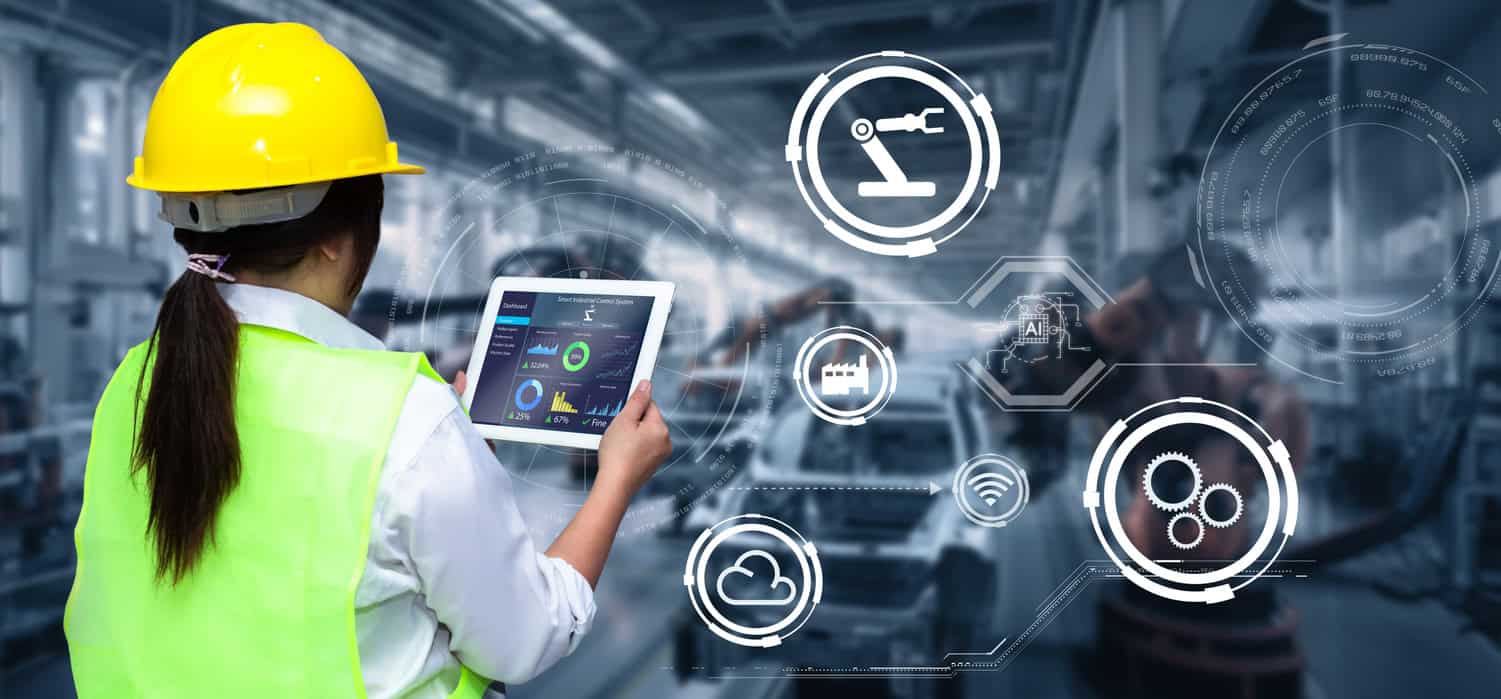
AI in Facilities Management is no longer futuristic, it’s already here. Across Australia, facilities managers are integrating AI-powered tools to optimise operations, enhance safety, and reduce costs. When combined with big data, AI enables real-time insights that guide smarter maintenance, sustainability, and compliance strategies.
According to Deloitte, over 60% of large organisations now use AI or machine learning to automate asset management and maintenance scheduling. This shift is redefining facilities management, helping professionals focus on strategic decision-making rather than routine tasks.
Table of Contents
ToggleTL;DR
Artificial Intelligence (AI) is changing how facilities are managed across Australia. From predictive maintenance and automated cleaning schedules to advanced energy management and compliance tracking, AI in Facilities Management helps managers improve efficiency, reduce costs, and make smarter, data-backed decisions. This article explores how AI, combined with big data, is reshaping the industry’s future and what it means for facilities professionals.
How AI is Transforming Facilities Management
1. Predictive Maintenance
Predictive maintenance uses AI algorithms to forecast equipment failures before they occur. By analysing data from Internet of Things (IoT) sensors, building management systems (BMS), and maintenance logs, AI detects patterns that signal potential issues.
- Reduces downtime significantly
- Extends asset life and reduces maintenance costs
- Improves safety and compliance with proactive alerts
2. Smart Energy Management
AI-driven energy systems automatically monitor and optimise lighting, HVAC, and water usage. They learn from occupancy trends and weather data to reduce energy consumption.
- Lowers operational costs
- Improves NABERS and Green Star ratings
- Supports sustainability goals and ESG reporting
3. Automated Cleaning and Space Optimisation
AI and big data also drive smarter cleaning schedules and space utilisation strategies. Occupancy sensors and machine learning models determine which areas require cleaning and how space can be reallocated for efficiency.
- Cuts cleaning costs by up to 25%
- Improves hygiene and compliance standards
- Reduces waste in energy and labour
4. Enhanced Safety and Compliance
AI assists with compliance by automatically monitoring and reporting on WHS, fire, and electrical systems. Smart systems can detect risks such as equipment malfunctions, poor air quality, or unauthorised access and alert managers instantly.
- Enhances WHS compliance
- Strengthens security and emergency response
- Reduces manual paperwork and audit preparation time
For more, check out our Facilities Management Compliance Checklist.
5. Data-Driven Decision-Making
With AI, facilities managers can move from reactive to predictive decision-making. AI analytics dashboards provide visibility across multi-site portfolios, identifying trends in maintenance costs, energy use, and contractor performance.
- Enables smarter budgeting and resource allocation
- Supports transparent, data-backed reporting
- Frees up time for strategic planning

Benefits of AI in Facilities Management
Here are the key ways AI is reshaping the industry:
- Predicts equipment failures before they happen
- Reduces operational and energy costs
- Improves asset performance and lifespan
- Enhances workplace safety and compliance
- Enables data-driven insights and real-time reporting
- Supports sustainability and ESG initiatives
These benefits make AI a vital tool for future-ready facilities across commercial, healthcare, education, and industrial sectors.
Challenges and Considerations
Adopting AI in Facilities Management does come with challenges. Upfront costs, staff training, and cybersecurity risks can slow adoption. However, starting small, such as integrating AI for predictive maintenance or smart cleaning can deliver quick wins and measurable ROI.
Partnering with experienced FM providers who already use AI and data-driven systems, such as JKFM, can help businesses implement these technologies with minimal disruption.
Final Thoughts
AI and big data are redefining facilities management, enabling smarter, safer, and more efficient operations. Facilities managers who embrace AI will not only reduce costs and downtime but also position their organisations at the forefront of innovation. The future of facilities management is intelligent, connected, and proactive, a transformation already underway today.
Next Step: Explore how JKFM can help your business integrate AI into your facilities strategy. Contact Us today!
FAQs About AI in Facilities Management
AI in Facilities Management uses machine learning, sensors, and analytics to automate maintenance, optimise energy use, and improve operational efficiency.
By predicting equipment failures and automating resource use, AI minimises downtime and energy waste, cutting operational costs significantly.
Yes. Retrofitting IoT sensors and cloud-based platforms allows AI integration even in legacy systems.
AI systems track safety standards, generate automated reports, and flag potential non-compliance issues before inspections.
AI will increasingly integrate with IoT, robotics, and digital twins, driving real-time optimisation and autonomous building management.
About the Author

Nikos Rossios
National Facilities Manager
With a trade background and over a decade of leadership experience across Construction and Facilities Management in Australia and abroad, Nikos brings hands-on expertise and strategic insight to JKFM. Passionate about innovation and client collaboration, he’s focused on developing tailored FM solutions that drive efficiency, ensure compliance, and deliver the highest standards of service across every project.