Table of Contents
ToggleQuick Overview
Commercial pest control is the ongoing, program-based management of pests across business premises to protect health, hygiene, assets and regulatory compliance. For Australian facility managers, it is a preventative discipline, not a one-off spray, built around inspection, monitoring, treatment and documentation. According to CSIRO (2021), Australia is home to more than 350 termite species, of which around 20 cause significant damage to buildings, and food related businesses face strict pest requirements under the Food Standards Code. A documented, preventative program is now central to how well-run commercial properties manage this risk.
For many businesses, commercial pest control sits quietly in the background until something goes wrong. A rodent sighting in a food court, cockroaches in a staff kitchen, or termite damage discovered during a fit out can each escalate into reputational, financial and compliance problems within hours.
Pests are more than a nuisance in a commercial setting. They carry health risks, damage building fabric and stock, and can breach the hygiene and safety obligations that businesses are legally required to meet. In shared and multi tenanted buildings, a problem in one area rarely stays contained.
This guide explains what effective pest management looks like across Australian commercial properties, the standards and regulations that apply, what drives cost, and how to choose and work with a provider. It is written for facility managers who need practical answers rather than a sales pitch.
What Is Commercial Pest Control?
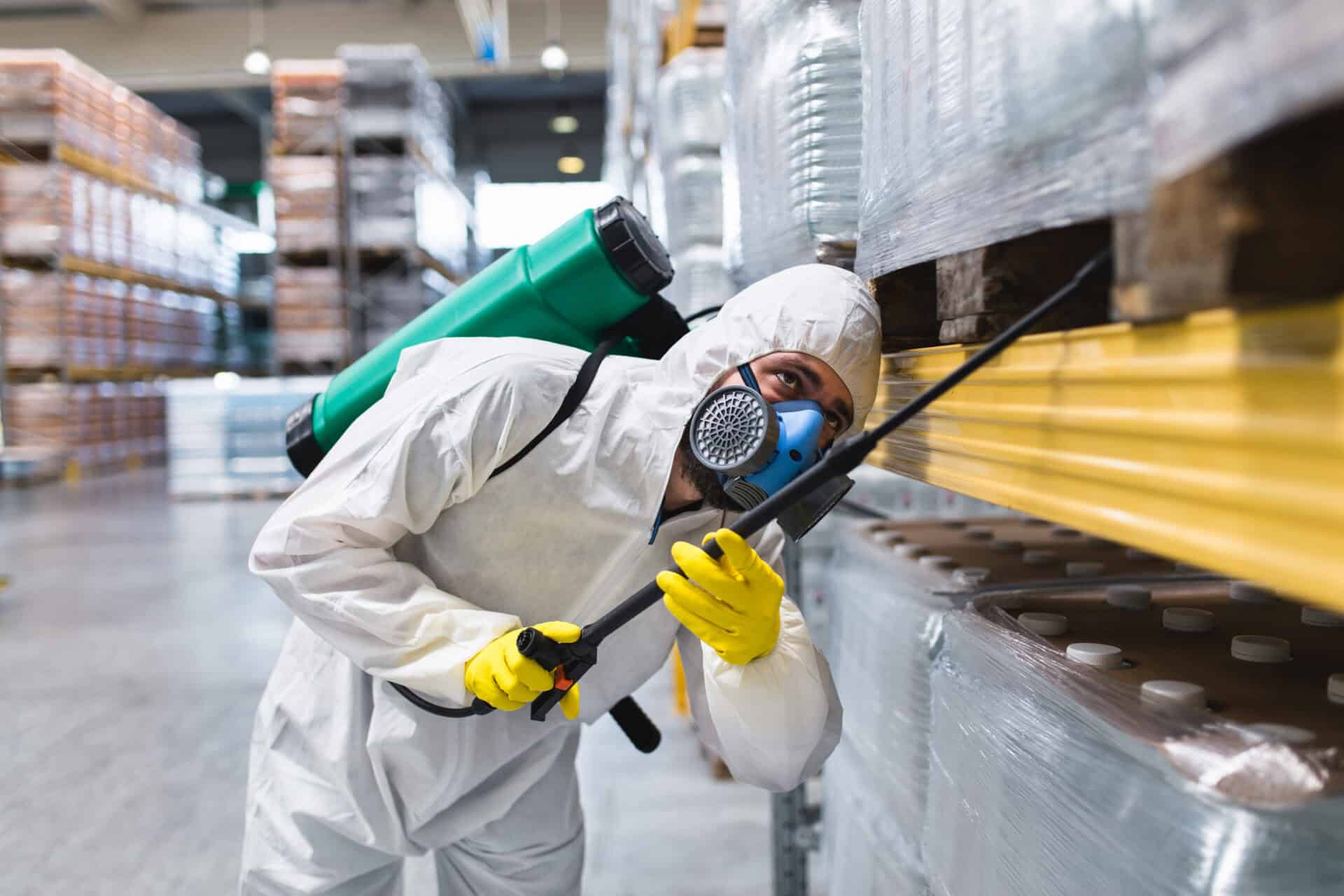
Commercial pest control is the structured management of pests across business and industrial premises, delivered as an ongoing program rather than a single treatment. It combines inspection, prevention, monitoring, targeted treatment and record keeping to keep pest activity below the threshold where it causes harm.
The commercial context is what sets it apart from domestic work. A business site involves duty of care to staff and visitors, compliance obligations, higher pest pressure from waste and foot traffic, and often continuous operation that limits when treatment can occur. A cafe, a warehouse and a hospital each need a different approach, even against the same pest.
Effective programs are documented and repeatable. Each visit produces a report covering what was inspected, what was found and what action was taken, which becomes essential evidence during audits, insurance claims and tenant disputes.
Why Pest Management Matters for Australian Businesses
Pest management protects four things at once: people, property, compliance and reputation. A lapse in any one can carry a cost far larger than the program itself.
Health and safety
Rodents, cockroaches and flies spread bacteria and contaminate surfaces, food and stock. In workplaces, unmanaged pests can contribute to a failure of the general duty of care that employers owe under work health and safety law, overseen nationally by Safe Work Australia.
Property and asset protection
Termites are the standout structural threat. According to CSIRO (2021), Australia has more than 350 termite species, around 20 of which cause significant damage to buildings, and CSIRO advises inspections at least annually. Damage often goes unseen until it is severe, and most standard building insurance policies exclude it.
Business continuity and reputation
A visible infestation can close a food premises, trigger a negative inspection, or spread across social media before management is even aware. For retail, hospitality and healthcare, the reputational damage can outlast the pest problem itself.
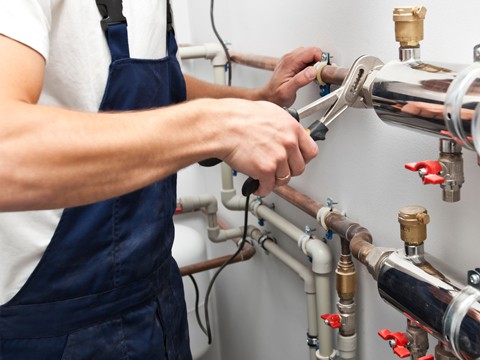
How to Prevent Commercial Plumbing Problems: A Maintenance Framework
A structured commercial plumbing maintenance program addresses most issues before they disrupt operations. The following steps form a practical framework for facility managers.
- Schedule routine preventive inspections. Regular checks of drains, grease traps, fixtures and pipework catch wear and blockages before they escalate.
- Stay current with plumbing standards. Confirm installations and maintenance practices align with the current AS/NZS 3500 series and any state-based plumbing regulations.
- Maintain backflow devices and TMVs on a testing schedule. These are safety-critical components and typically carry mandatory annual or more frequent testing requirements.
- Train staff on correct waste disposal. Simple practices, like never pouring fats or oils down a sink, significantly reduce blockage risk in commercial kitchens.
- Partner with a licensed commercial plumbing provider. A dedicated commercial plumbing maintenance partner brings consistency, compliance records and faster response when something does go wrong.
JKFM’s commercial plumbing services combine preventive maintenance, compliance testing and emergency response as part of a broader building maintenance program, so facility managers aren’t left coordinating separate contractors for every issue.
Common Commercial Pests in Australia
The pests that most often affect Australian commercial sites fall into a handful of predictable groups. Knowing the signs helps facility managers act early.
- Rodents (rats and mice): gnawing damage, droppings and contamination; a major risk in food, warehousing and waste areas.
- Cockroaches: thrive in kitchens, drains and warm plant rooms; a key hygiene concern in hospitality and healthcare.
- Termites: silent structural damage to timber, a nationwide risk governed by dedicated Australian Standards.
- Ants: persistent in kitchens, offices and grounds, and difficult to control without treating the nest.
- Birds: fouling, blocked gutters and access issues on rooftops, signage and entrances. As most Australian bird species are protected, commercial management focuses on humane deterrents such as netting, spikes and proofing rather than removal.
- Flies and flying insects: contamination and nuisance in food handling, waste and loading areas.
- Stored product pests: weevils and moths in food storage and manufacturing.
Pressure varies by climate, season and building use. Tropical and subtropical regions face year-round termite and cockroach activity, while temperate sites often see seasonal spikes.
Integrated Pest Management: The Modern Standard
Integrated Pest Management, or IPM, is the accepted best practice framework for pest control commercial programs. Rather than relying on routine chemical spraying, IPM prioritises prevention and monitoring, and uses targeted treatment only when needed.
A typical IPM program follows a continuous cycle:
- Inspect and identify. Survey the site, identify pests and pinpoint entry points, harbourage and food sources.
- Set action thresholds. Define the level of activity that triggers intervention, rather than treating on a fixed calendar alone.
- Prevent. Proof the building, improve hygiene and waste handling, and remove the conditions that attract pests.
- Monitor. Use bait stations, traps and inspections to track activity over time.
- Treat and review. Apply the least hazardous effective treatment, then document results and refine the plan.
For facility managers, IPM matters because it reduces chemical use, lowers long term cost by preventing infestations, and produces the documentation that auditors and tenants increasingly expect.

Regulations and Standards Facility Managers Should Know
Pest management in Australia is governed by a mix of standards, food safety rules and chemical regulations. Facility managers do not need to be experts, but should know what applies to their sites.
Termite management standards
The AS 3660 series is the technical baseline for termite management. AS 3660.1 covers new building work and AS 3660.2 covers management in and around existing buildings, per Standards Australia. Annual inspection by a licensed timber pest inspector is the widely recommended convention for existing commercial buildings.
Food safety requirements
Businesses that handle food must keep premises free of pests under the Australia New Zealand Food Standards Code, administered by Food Standards Australia New Zealand. A documented pest program is a standard expectation of food safety audits and HACCP based systems.
Chemical and licensing rules
Pesticides used commercially are regulated by the Australian Pesticides and Veterinary Medicines Authority, and pest technicians must hold the relevant state or territory licence. Using a licensed, insured provider is the simplest way to keep this box ticked.
What Commercial Pest Control Services Include
Professional commercial pest control services go well beyond spraying. A comprehensive program usually covers:
- Site inspection and risk assessment to map pest pressure, entry points and problem areas.
- Preventative treatments and proofing to seal entry points and treat harbourage before activity escalates.
- Monitoring systems such as bait stations, insect monitors and rodent stations with scheduled checks.
- Responsive treatment for active infestations, targeted to the pest and setting.
- Reporting and compliance documentation for every visit, ready for audits and insurers.
- Specialist services including termite management, bird control and fumigation where required.
In a facilities management context, the biggest advantage is integration. When pest control runs alongside cleaning, waste management and building maintenance under one coordinated provider, the conditions that attract pests are managed together rather than in silos. JKFM delivers pest control as part of its end to end facilities management offering, and coordinates it with building maintenance and hygiene and washroom services so hygiene, proofing and waste are handled as one program.
What Drives the Cost of Pest Control Commercial Programs
There is no single price for a commercial pest control service, because cost scales with risk and complexity. The main drivers are:
- Site size and layout, including the number of buildings, floors and access challenges.
- Industry and pest risk, with food, healthcare and waste sites needing more frequent, intensive programs.
- Service frequency, from quarterly monitoring to monthly or continuous programs.
- Pest types present, as termite management and bird control cost more than general treatment.
- Compliance and reporting needs, where audit ready documentation adds value and some cost.
- Number of sites, with multi-site portfolios often achieving better rates through a single national contract.
The most useful comparison is not the lowest quote, but the cost of prevention against the cost of failure. A single infestation that closes a site, damages stock or fails an audit routinely outweighs years of program fees, which is why most well-run commercial operations now treat pest management as essential rather than optional.
How to Choose a Commercial Pest Control Provider
The right provider is one that reduces your risk and your administrative load. When assessing options, facility managers should check:
- Licensing and insurance. Confirm current state or territory pest technician licences and public liability cover.
- Relevant experience. Look for a track record in your industry and building type, not just residential work.
- An IPM approach. Prevention and monitoring should lead the program, not blanket spraying.
- Reporting quality. Every visit should produce clear, audit ready documentation you can hand to an inspector.
- Coverage and responsiveness. For multi-site portfolios, national coverage and rapid response matter as much as price.
- Integration. A provider that also manages cleaning, waste and maintenance can close the loop on the conditions that cause pests.
Accreditations offer a useful shortcut. Providers working within ISO certified quality, environmental and safety management systems tend to bring the documentation discipline that commercial audits require.
Building Pest Control Into Your Facilities Strategy
Treated as a standalone task, pest control is reactive and expensive. Treated as part of a coordinated facilities strategy, it becomes a quiet form of risk management, protecting your people, your building and your compliance position before problems surface.
The strongest programs share three traits: they are preventative and built on IPM, they are thoroughly documented, and they are integrated with the hygiene, waste and maintenance functions that shape pest pressure in the first place. For multi-site operators, consolidating this under one national provider removes the gaps where problems usually start.
If you are reviewing how pests are managed across your portfolio, JKFM can assess your sites and build a tailored, compliance ready program as part of an end-to-end facilities solution. Contact the JKFM team to arrange a consultation.
FAQs
Q1: What is commercial pest control?
Commercial pest control is the ongoing, program-based management of pests across business premises. It combines inspection, prevention, monitoring, targeted treatment and detailed reporting to protect health, hygiene, building assets and regulatory compliance. Unlike a one-off domestic treatment, it is designed around a site’s specific risks, industry obligations and operating hours.
Q2: How often should a commercial property have pest control?
Most commercial sites are serviced quarterly as a baseline, with monitoring in between. Higher risk premises such as food handling, healthcare and waste facilities often need monthly or continuous programs, plus annual termite inspections. The correct frequency is set by a site risk assessment rather than a fixed rule.
Q3: How much do commercial pest control services cost in Australia?
Cost varies with site size, industry, pest risk, service frequency and the number of locations. There is no standard price, so quotes are based on a site assessment. The more useful comparison is program cost against the cost of an infestation that could close a site, damage stock or fail an audit.
Q4: What is integrated pest management?
Integrated Pest Management (IPM) is the best practice framework for commercial programs. It prioritises prevention, proofing and monitoring, using targeted treatment only when activity crosses a defined threshold. IPM reduces chemical use, lowers long term costs and produces the documentation that audits and tenants expect.
Q5: Are Australian businesses legally required to control pests?
Yes, in effect. Food businesses must keep premises pest free under the Food Standards Code, and all employers owe a duty of care under work health and safety law. Termite management is governed by the AS 3660 standards, and commercial pesticide use is regulated by the APVMA. A documented program is the practical way to meet these obligations.
About the Author

Nikos Rossios
National Facilities Manager
With a trade background and over a decade of leadership experience across Construction and Facilities Management in Australia and abroad, Nikos brings hands-on expertise and strategic insight to JKFM. Passionate about innovation and client collaboration, he’s focused on developing tailored FM solutions that drive efficiency, ensure compliance, and deliver the highest standards of service across every project.
JKFM Facilities Management is Australia’s leading integrated facilities management provider, delivering comprehensive maintenance solutions across the nation. With over 30 years of industry experience and ISO certifications in quality (9001), environmental management (14001), and safety (45001), JKFM combines traditional expertise with cutting-edge technology to serve clients from SMEs to Fortune 500 companies.