Table of Contents
ToggleQuick Overview
Commercial plumbing problems are among the most disruptive and expensive maintenance issues facility managers deal with, from blocked drains to failed backflow devices. This guide breaks down the most common commercial plumbing problems in Australian buildings, why they happen, and the preventive maintenance practices that keep water and drainage systems compliant and reliable. You’ll also learn when a routine commercial plumbing repair is enough, and when a situation calls for commercial emergency plumbing. With a proper commercial plumbing maintenance plan in place, most of these issues are entirely avoidable.
A commercial plumbing problem rarely stays small. What starts as a slow drain or a minor drip can escalate into flooding, compliance breaches, or a full shutdown of amenities, especially in high-use environments like offices, retail centres, schools and commercial kitchens. For facility managers, understanding the most common commercial plumbing problems is the first step toward preventing them.
This guide covers the plumbing issues Australian commercial buildings face most often, the compliance obligations behind them, and a practical framework for preventive maintenance. It also explains how to tell the difference between a routine commercial plumbing repair and a genuine commercial emergency plumbing situation, so you can respond appropriately without over-reacting or under-reacting.
Why Commercial Plumbing Problems Cost More Than You Think
Commercial plumbing problems carry costs that go well beyond the repair invoice. A single blocked drain or burst pipe can disrupt operations for hours, damage stock or fit-out, and expose a business to regulatory scrutiny.
- Downtime: closed bathrooms, kitchens or entire floors while repairs are carried out
- Water damage: to flooring, stock, fit-out and adjoining tenancies
- Compliance exposure: breaches of backflow, trade waste or water safety obligations
- Reputational impact: poor amenities and hygiene issues affect tenants, staff and customers
The Most Common Commercial Plumbing Problems in Australian Buildings
Most commercial plumbing problems fall into a handful of recurring categories. Recognising them early is the first step in preventing a routine issue from becoming an emergency.
Blocked Drains and Grease Trap Overflows
Blocked drains are the most frequent commercial plumbing problem reported across offices, retail and hospitality sites. In commercial kitchens, the usual cause is fats, oils and grease (FOG) entering the wastewater system. Sydney Water requires food businesses to install and maintain a correctly sized grease trap, and recommends cleaning most commercial units every three to six months depending on usage. Skipping this schedule is one of the fastest ways to trigger a blockage, an odour complaint, or a trade waste breach.
Leaking Pipes and Fittings
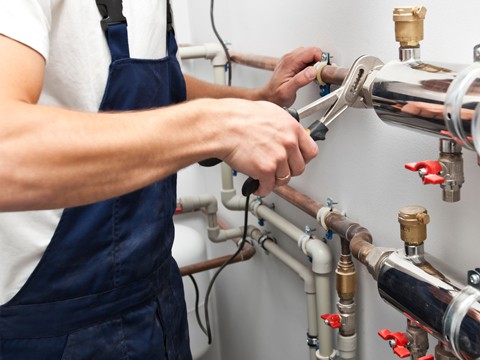
Ageing pipework, corroded joints and worn seals are behind a large share of ongoing commercial plumbing repair requests. Left unaddressed, small leaks waste water, drive up utility costs, and can cause hidden damage inside walls, ceilings and slabs long before they become visible.
Hot Water and Legionella Risk
Warm water systems, showers and thermostatic mixing valves (TMVs) create conditions where Legionella bacteria can grow if temperatures and maintenance schedules aren’t managed correctly. According to Victoria’s Department of Health, water delivery systems including TMVs and warm water loops must be included in a documented risk management plan, with routine monitoring to keep temperatures outside the range where Legionella thrives. This is a compliance issue as much as a plumbing one.
Backflow and Cross-Connection Failures
Backflow prevention devices stop contaminated water flowing back into the clean water supply, a critical safety control in commercial buildings with fire systems, irrigation or trade processes connected to the mains. Australia’s plumbing and drainage requirements were updated in the AS/NZS 3500:2025 series, with practitioners required to comply with the new edition for work commencing after 20 October 2025. Facility managers should confirm their backflow devices and testing regime remain aligned with the current standard.
Worn Fixtures and Appliances
Taps, valves, hot water units and fixtures wear out over time. Deferred replacement of ageing components is a common driver of recurring commercial plumbing repair callouts, and often costs more in the long run than a planned upgrade.

How to Prevent Commercial Plumbing Problems: A Maintenance Framework
A structured commercial plumbing maintenance program addresses most issues before they disrupt operations. The following steps form a practical framework for facility managers.
- Schedule routine preventive inspections. Regular checks of drains, grease traps, fixtures and pipework catch wear and blockages before they escalate.
- Stay current with plumbing standards. Confirm installations and maintenance practices align with the current AS/NZS 3500 series and any state-based plumbing regulations.
- Maintain backflow devices and TMVs on a testing schedule. These are safety-critical components and typically carry mandatory annual or more frequent testing requirements.
- Train staff on correct waste disposal. Simple practices, like never pouring fats or oils down a sink, significantly reduce blockage risk in commercial kitchens.
- Partner with a licensed commercial plumbing provider. A dedicated commercial plumbing maintenance partner brings consistency, compliance records and faster response when something does go wrong.
JKFM’s commercial plumbing services combine preventive maintenance, compliance testing and emergency response as part of a broader building maintenance program, so facility managers aren’t left coordinating separate contractors for every issue.
Commercial Plumbing Repair vs Commercial Emergency Plumbing
Not every plumbing issue needs an emergency callout, but knowing the difference matters.
Routine commercial plumbing repair suits:
- Slow-draining sinks or minor drips
- Scheduled fixture replacement or servicing
- Non-urgent leaks with no active water damage
Commercial emergency plumbing is needed for:
- Active flooding or burst pipes
- No water or no working amenities in occupied buildings
- Backflow or contamination risks affecting water safety
- A gas smell or suspected gas leak connected to hot water systems
A clear escalation process, supported by a facilities management compliance checklist, helps site staff make the right call quickly.
Building a Long-Term Commercial Plumbing Maintenance Plan
Most commercial plumbing problems are preventable with the right maintenance rhythm, clear compliance obligations, and a trusted plumbing partner on call. Rather than reacting to each issue individually, facility managers get the best results from a documented commercial plumbing maintenance plan folded into broader building maintenance planning.
JKFM’s commercial plumbing services combine preventive maintenance, compliance management and emergency response as part of an end-to-end facilities management approach, so facility managers spend less time firefighting and more time on strategic asset planning. Get in touch with JKFM to build a plumbing maintenance plan tailored to your site.
FAQs
Q1: What are the most common commercial plumbing problems in Australia?
The most common commercial plumbing problems are blocked drains and grease trap overflows, leaking pipes and fittings, hot water and Legionella risk, backflow prevention failures, and worn fixtures. Most are preventable with routine inspections and a documented commercial plumbing maintenance schedule.
Q2: How often should commercial plumbing systems be inspected?
Most commercial buildings benefit from quarterly plumbing inspections, with more frequent checks for high-use areas like commercial kitchens. Backflow devices and TMVs typically require annual testing at minimum, in line with state regulations.
Q3: What's the difference between commercial plumbing repair and commercial emergency plumbing?
Commercial plumbing repair covers scheduled or non-urgent work, like fixing a slow drain or replacing a worn tap. Commercial emergency plumbing applies to situations with active flooding, no water to occupied areas, or safety risks like backflow contamination or gas leaks.
Q4: How often should grease traps be cleaned in commercial kitchens?
Sydney Water recommends most commercial grease traps be cleaned every three to six months, depending on kitchen volume. High-output venues may need servicing more frequently to avoid overflow and blockages.
Q5: What compliance standards apply to commercial plumbing in Australia?
Commercial plumbing must comply with the AS/NZS 3500 plumbing and drainage series, state-based plumbing regulations, and, where relevant, Legionella risk management requirements under state health regulations.
About the Author

Nikos Rossios
National Facilities Manager
With a trade background and over a decade of leadership experience across Construction and Facilities Management in Australia and abroad, Nikos brings hands-on expertise and strategic insight to JKFM. Passionate about innovation and client collaboration, he’s focused on developing tailored FM solutions that drive efficiency, ensure compliance, and deliver the highest standards of service across every project.
JKFM Facilities Management is Australia’s leading integrated facilities management provider, delivering comprehensive maintenance solutions across the nation. With over 30 years of industry experience and ISO certifications in quality (9001), environmental management (14001), and safety (45001), JKFM combines traditional expertise with cutting-edge technology to serve clients from SMEs to Fortune 500 companies.