Table of Contents
ToggleQuick Overview
Under Australia’s model WHS Regulations, maintaining a piece of plant isn’t enough on its own, a facility manager also must be able to produce the record proving it happened. That single requirement is quietly reshaping how Australian facility managers choose commercial property management software, shifting the buying criteria from “does it look modern” to “can it survive an audit.” This guide breaks down the features worth prioritising, the difference between CAFM and broader facility manager software, and the questions to ask before signing a contract. It’s written for facility managers evaluating platforms for commercial, retail, industrial or multi-site portfolios.
Ask most facility managers whether their plant is properly maintained, and they’ll say yes without hesitation. Ask them to produce five years of inspection records for a specific asset in under ten minutes, and the confidence usually drops. That gap, between doing the maintenance and being able to prove it, is exactly what commercial property management software is built to close.
This buyer’s guide walks through what commercial property management software actually does, the features worth prioritising, and how it differs from broader facility management software or CAFM platforms. It also covers the practical questions to ask vendors before committing budget, and the mistakes that trip up first-time buyers.
What Is Commercial Property Management Software?
Commercial property management software centralises the day-to-day operational tasks involved in running a building or portfolio, including work orders, preventative maintenance, contractor scheduling, asset registers and compliance documentation. It’s distinct from tenancy or leasing software, which focuses on rent rolls and lease administration. Most platforms used by Australian facility managers today combine elements of both facility management software and computer-aided facility management (CAFM), giving operations teams and finance stakeholders a shared, real-time view of a site.
Why Facility Managers Are Investing in Facility Management Software Now
Demand is being driven by scale and compliance pressure. Mordor Intelligence’s 2025 analysis puts Australia’s facility management market at approximately AUD $45.0 billion, projected to climb to approximately AUD $53.4 billion by 2031, with outsourced delivery models now accounting for the majority share and investor attention increasingly turning to AI-powered maintenance platforms. For facility managers juggling multiple sites, a digital system also removes the risk of compliance records living in scattered spreadsheets or paper logs.

Key Features to Look for When Choosing Commercial Property Management Software
Not every platform suits every portfolio. These are the features that matter most in practice.
Compliance and Record-Keeping
Under the model WHS Regulations, a person conducting a business or undertaking with management or control of plant must ensure it’s properly maintained and inspected, according to Safe Work Australia. A platform that automatically timestamps inspections, stores certificates and flags overdue servicing makes this duty far easier to evidence during an audit. Before choosing a system, it’s worth reviewing your obligations against a facilities management compliance checklist to confirm the software covers what you’re legally required to track.
Maintenance and Asset Tracking
Look for a searchable asset register, preventative maintenance scheduling, and the ability to log reactive work orders from a mobile device on-site.
Reporting and Real-Time Visibility
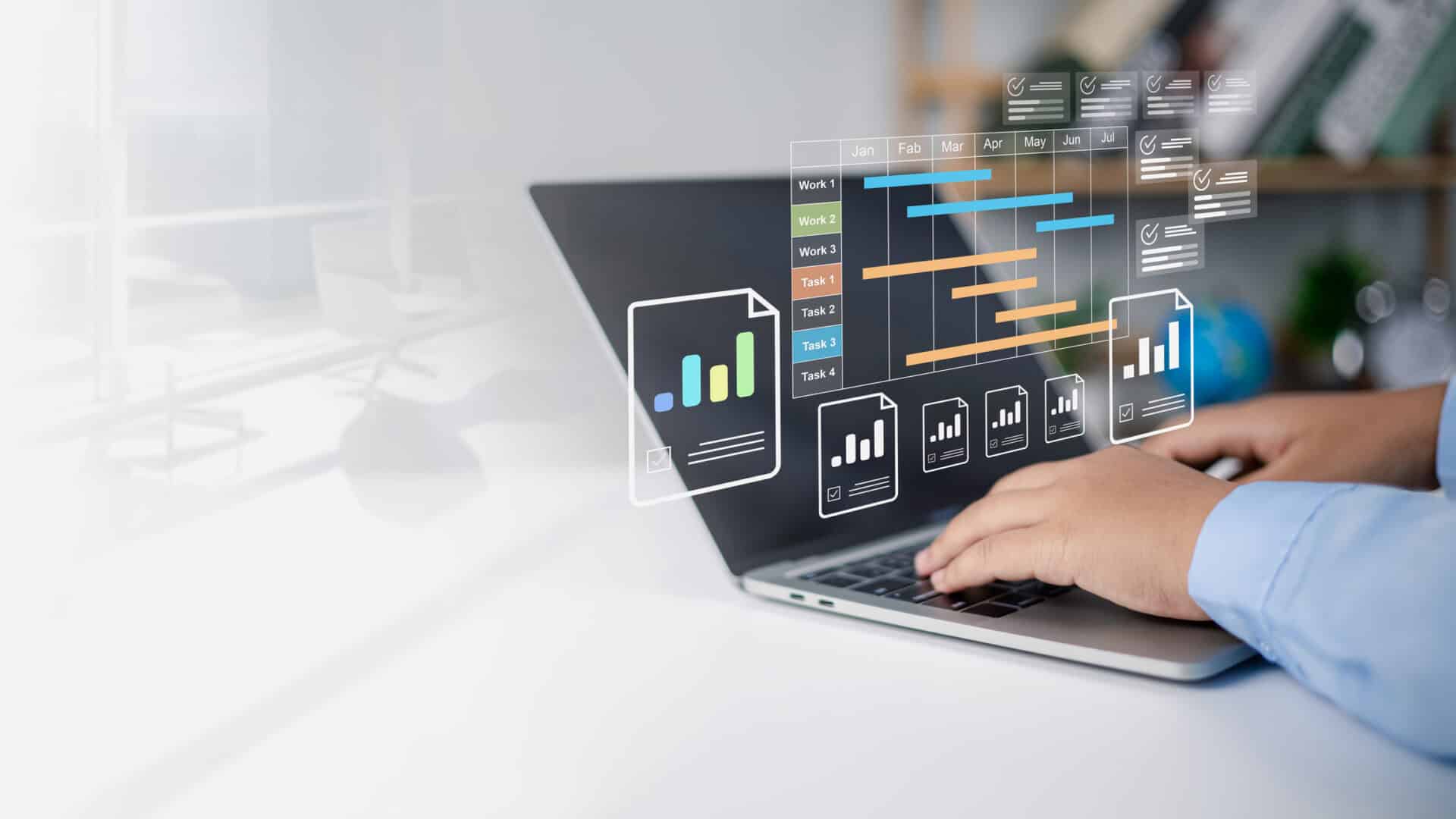
Dashboards should show job status, SLA performance and costs without needing to chase a provider for updates. Real-time visibility into bookings, costings and inspection reports is one of the clearer differentiators between older, paper-based systems and current facility management software.
Integration and Scalability
Check whether the platform connects with your finance, HR or building management systems, and whether it can scale from a single site to a national portfolio without a costly re-platform.
CAFM vs Facility Manager Software: Which Do You Need?
The terms are often used interchangeably, but there’s a practical distinction. CAFM platforms tend to be built around asset and space management, with stronger reporting and BIM integration, and are commonly used by larger organisations such as universities and government agencies. Broader facility manager software is usually more operational, focused on work orders, contractor coordination and day-to-day communication between a provider and client. Our guide to choosing CAFM software breaks down how to match a system’s depth to your portfolio’s complexity, rather than paying for enterprise features you won’t use.
At JKFM, our in-house platform, JK Connect, currently gives clients real-time visibility into bookings, work scheduling, inspection reports and SLA performance through a client portal. Features such as automated scheduling and predictive maintenance are in active development, reflecting the direction the wider market is heading, but aren’t yet part of the live client experience.
Questions to Ask Before You Sign
- Does the system store compliance documentation in a format that satisfies an auditor, not just an internal report?
- How long does onboarding typically take, and what does data migration from our current system involve?
- Is pricing based on sites, assets or users, and how does that scale as our portfolio grows?
- Is support based in Australia, and what are the response times for urgent issues?
Choosing a Platform That Grows With Your Portfolio
The best commercial property management software fits how your team actually works, not just what a sales demo shows. Start with your compliance obligations, map them against a facilities management compliance checklist, then shortlist platforms that can prove they meet those requirements before comparing price. For facility managers who’d rather have compliance, maintenance and reporting handled as part of a managed service, JKFM’s facility management software gives clients a single client portal covering bookings, costings and inspection reports across their portfolio. Get in touch with our team for a walkthrough of how it works for your sites.
FAQs
Q1: What's the difference between CAFM and commercial property management software?
CAFM typically emphasises asset, space and building data management, while commercial property management software is broader, covering day-to-day operations like work orders, maintenance scheduling and contractor coordination. Many platforms blend both, so the right choice depends on your portfolio’s size and complexity.
Q2: How much does facility manager software cost in Australia?
Pricing varies widely depending on whether it’s charged per site, per asset or per user, and whether it’s a standalone tool or bundled with a managed FM service. Request itemised pricing before committing and clarify what happens to costs as your portfolio grows.
Q3: Can commercial property management software help with WHS compliance?
Yes. A well-configured system can timestamp inspections, store maintenance certificates and flag overdue servicing, making it easier to demonstrate compliance with duties under the model WHS Regulations if a regulator requests records.
Q4: Is cloud-based facility management software secure for multi-site businesses?
Reputable cloud-based platforms use encryption and access controls comparable to other business systems. Ask vendors directly about data hosting location, backup frequency and what happens to your data if you end the contract.
Q5: Do small facility teams need enterprise-grade software?
Not necessarily. Smaller teams often get better value from a right-sized platform focused on maintenance, compliance and reporting, rather than an enterprise system with features they won’t use.
About the Author

Nikos Rossios
National Facilities Manager
With a trade background and over a decade of leadership experience across Construction and Facilities Management in Australia and abroad, Nikos brings hands-on expertise and strategic insight to JKFM. Passionate about innovation and client collaboration, he’s focused on developing tailored FM solutions that drive efficiency, ensure compliance, and deliver the highest standards of service across every project.
JKFM Facilities Management is Australia’s leading integrated facilities management provider, delivering comprehensive maintenance solutions across the nation. With over 30 years of industry experience and ISO certifications in quality (9001), environmental management (14001), and safety (45001), JKFM combines traditional expertise with cutting-edge technology to serve clients from SMEs to Fortune 500 companies.